The Cuff That Changes the Whole Impression
A shirt cuff can sharpen or soften an outfit. Choose its shape, fit and visibility to suit your clothes, the day’s activities and the impression you want.

The most common cuff mistake is letting it bunch, disappear under a jacket or slide out of place. That small mismatch can make an outfit look unfinished, so a deliberate shirt cuff choice helps the sleeve meet the hand neatly and comfortably.
A cuff finishes a sleeve and shapes its opening, but it also changes how an outfit reads. A crisp edge can look composed; a soft or rolled edge may feel more relaxed. Those impressions depend on the garment and setting, not on a universal rule.
Cuffs and their signals
Cuffs take different forms: a sewn hem, a buttoned shirt band, a gathered opening or a fold turned back on itself. Their construction affects how the sleeve sits, how easily it can be adjusted and how much visual weight it adds at the wrist.
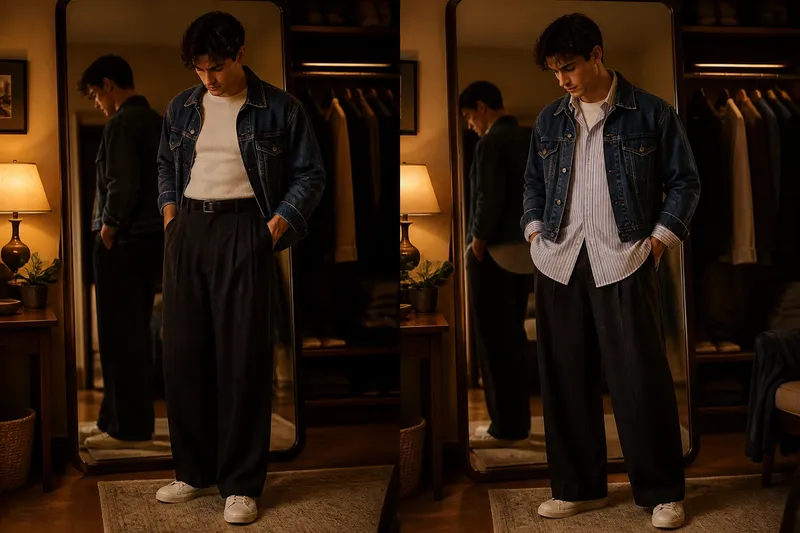
In some settings, a visible shirt cuff beneath a jacket is part of a familiar tailored look; a turned denim edge may feel more casual. These are conventions rather than fixed meanings, and dress codes or personal preference may call for something different.
Because hands move during ordinary tasks, the wrist appears and disappears as you reach, gesture or rest your arms. A cuff that stays smooth and in place can make those brief glimpses look intentional.
Choose a shirt cuff
Start with the activities and expectations of your day. A cuff that looks neat while standing may interfere with typing or hands-on work, so check how it behaves when you move.
- Formal event: Check whether the event or workplace has a dress code. If a neat buttoned cuff fits its expectations, wear it; if the rules call for another finish, follow them instead.
- Jacket layering: Check whether the shirt edge stays visible without covering your hand. If it does, keep the pairing; if it vanishes or bunches, adjust the sleeve or choose a better-fitting layer.
- Desk work: Check whether the cuff clears your palm and does not catch as you type. If it stays clear, leave it fastened; if it brushes the keyboard or paperwork, adjust the closure or fold it neatly.
- Hands-on tasks: Check whether the cuff is secure and clear of the work area. If it stays in place, proceed; if it loosens or could interfere, follow the workplace rules and garment maker’s directions, or change into suitable clothing.
- Casual outfit: Check whether the fabric holds a fold without forming a bulky ridge. If it does, roll both sleeves to a similar height; if it collapses or looks bulky, wear the cuff as designed.
- Watch or bracelet: Check whether the accessory catches on the cuff or crowds the wrist. If both sit comfortably, keep them together; if they compete or snag, simplify the cuff or remove the accessory.
Say you have a pale cotton shirt, a jacket and a day split between typing and a meeting. You fasten the cuff, rest your hands on the keyboard and find the fabric brushing your palm, so you adjust the button closure and check again; if the edge now stays clear, you keep it that way for the meeting. When you add the jacket, the cuff remains visible without covering your hand, so the layers look tidy; if it had disappeared or bunched, the practical choice would be to adjust the sleeve or wear another shirt.
Match fabric and finish
A structured cotton shirt can hold a defined band and button, while a fluid blouse may suit a narrow finish, soft tie or covered elastic opening. Heavy denim and brushed cotton can take a relaxed turn; thin fabric may collapse into a ridge when folded.
Before rolling a sleeve, check its button placket, seam and gathered edge. These details may limit how far it opens, and a thick cuff can feel bulky when pushed up. A shaped or decorative finish may look better worn as designed.
Fabric condition also affects the impression. A pressed cuff can sharpen an outfit, while a softened edge may suit casual clothes; choose the finish that fits the setting and the rest of the look.
Control the visible edge
When sleeves overlap, their lengths and widths affect how clearly each layer reads. A visible shirt edge can distinguish it from a jacket sleeve, while layers ending together may merge visually.
Check the cuff with your arms relaxed, then reach and bend your elbows. If it rides up, covers your fingers or needs repeated tugging, adjust the closure or fold before leaving.
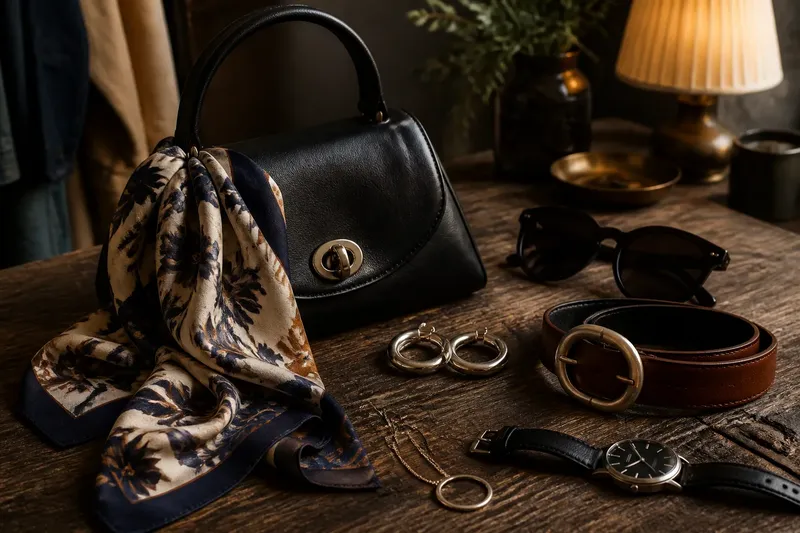
Consider what else sits at the wrist. A watch or bracelet can complement a plain cuff, while a prominent cuff may be easier to notice without competing accessories.
Questions about cuffs?
Should a shirt cuff show under a jacket?
It can, if the shirt and jacket suit that layered look and the cuff stays tidy. If the edge disappears or covers your hand, adjust the sleeve or choose a different combination.
Is rolling sleeves always casual?
A loose, uneven roll often feels relaxed, while a consistent fold can look considered with casual tailoring. For a dress code, follow its expectations rather than assuming a roll will look appropriate.
What if one cuff keeps slipping?
Check whether the button closes comfortably and whether the opening is too wide for your wrist. If the garment permits, try a secure fold; if the problem continues, ask a tailor whether an adjustment would suit the garment.
Can a cuff replace jewelry?
A distinctive cuff can add visual interest without jewelry. If you want it to stand out, keep the rest of the wrist relatively clear.
Check the cuff in motion
Before leaving, notice where the sleeve ends, whether the cuff stays comfortable and what sits beside it. A crisp finish, secure adjustment or relaxed fold can each work when it suits the outfit and the activity.
Extend your arms, bend your elbows and let your hands rest naturally. If the cuff stays where you want it and leaves your hand free, the shirt cuff is doing its job.